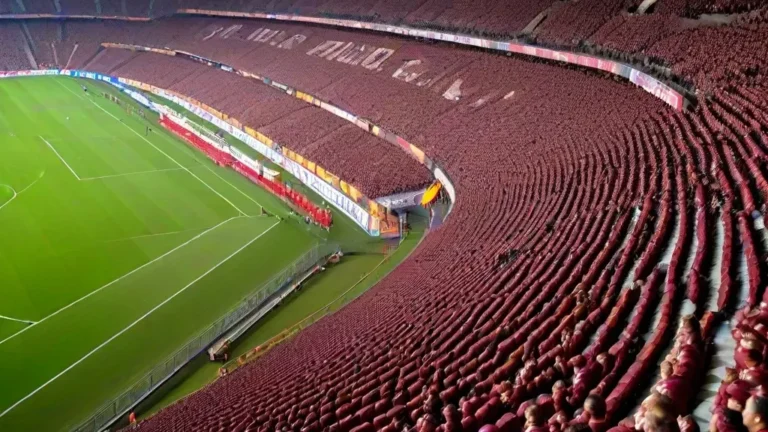
Imagine the roar of the crowd, sixty-five thousand strong, as the ball hits the back of the net in the 2006 Winter Olympics opening ceremony. Stadio Olimpico Grande Torino, more than just a football stadium, is the beating heart of Turin, pulsing with history, passion, and the echoes of triumphs and tribulations. From its days hosting Olympic glory to the weekly drama of Serie A football, this iconic arena has witnessed it all. The air crackles with an energy unique to this ground, a blend of sporting fervor and civic pride. Locals whisper tales of legendary matches and unforgettable moments within its walls.
This is more than just bricks and mortar; it’s a living monument to Turin’s rich sporting heritage. This article peels back the layers of Stadio Olimpico Grande Torino, exploring its fascinating past, vibrant present, and the indelible legacy it continues to build. Join us as we delve into the heart of Turin’s most beloved stadium.
A Glimpse into History: Stadio Olimpico Grande Torino’s Legacy
The Stadio Olimpico Grande Torino, a sporting landmark steeped in history, traces its origins back to the 1930s. Conceived during a period of significant architectural and political change in Italy, the stadium was originally commissioned with a clear purpose: to serve as a grand stage for national events and athletic competitions. Its construction was a testament to the era’s ambition, reflecting a desire to create spaces that would inspire both awe and national pride. The stadium’s early years were marked by its dedication to Benito Mussolini, initially bearing his name and designed in a style that echoed the monumental architecture of the time.
Over the decades, the stadium witnessed a series of transformations, adapting to the evolving needs of Turin’s sporting community. While initially designed for a broader range of events, it gradually became synonymous with football, eventually serving as the home ground for Torino and Juventus. These transitions, along with renovations over time, have shaped the stadium’s identity, leading up to a significant turning point in its history: the 2006 Winter Olympics. This occasion necessitated major renovations and a renaming to honor the Grande Torino team, forever cementing its place in the city’s collective memory. The stadium is a testament to Turin’s rich sporting heritage. It stands as a reminder of the past while continuing to embrace the future of sports and entertainment.
Early Years and Original Purpose
Before becoming a celebrated football venue, the stadium played host to a variety of events. These included the Littoriali Games and grand spectacles showcasing Italian athleticism. Its architecture, representative of the era, featured clean lines and a focus on functionality. It was built to accommodate large crowds. The design reflected a desire to create an imposing sports venue.
The 2006 Winter Olympics Transformation
The 2006 Winter Olympics brought about extensive renovations. The stadium was modernized with updated facilities and a new design to accommodate the opening and closing ceremonies. Its new name paid tribute to the legendary Grande Torino team. The capacity was adjusted, and state-of-the-art features were implemented, enhancing the experience for athletes and spectators alike.
The Cathedral of Football: Experiencing a Torino FC Match
Attending a Torino FC match at the Stadio Olimpico is like stepping into a vibrant, pulsating cathedral dedicated to the beautiful game. It’s more than just watching a Serie A fixture; it’s an immersion into a rich tapestry of fan culture, time-honored traditions, and raw, unadulterated passion. The air crackles with anticipation long before kickoff, as the aroma of grilled panini mingles with the fervent chatter of Granata supporters.
The streets surrounding the stadium transform into a sea of maroon, the club’s iconic color, as fans gather to share stories, sing anthems, and display unwavering loyalty. Flags emblazoned with the club’s crest wave proudly, adding to the spectacle. The energy is infectious, drawing you into the collective fervor that defines the Torino FC matchday experience. From seasoned veterans to wide-eyed youngsters, everyone is united by a common love for Il Toro.
Curva Maratona: The Heart of the Support
No experience of Torino FC is complete without acknowledging the Curva Maratona. It is the epicenter of the club’s most fervent support. The Ultras is a collective that orchestrates the vocal backing, creating an intimidating wall of sound that reverberates throughout the stadium. Their coordinated chants, elaborate banner displays, and unwavering dedication create an atmosphere that can unnerve opponents and inspire the home team.
Derby della Mole: The Turin Derby
The Derby della Mole between Torino and Juventus is more than just a game; it’s a battle for city bragging rights. It represents a clash of ideologies and histories. The atmosphere is charged with intense emotions, and the desire to defeat their bitter rivals fuels both teams. This historic rivalry burns with a unique intensity that sets it apart from other derbies in Italy.
From Olympics to Serie A: A Multi-faceted Venue
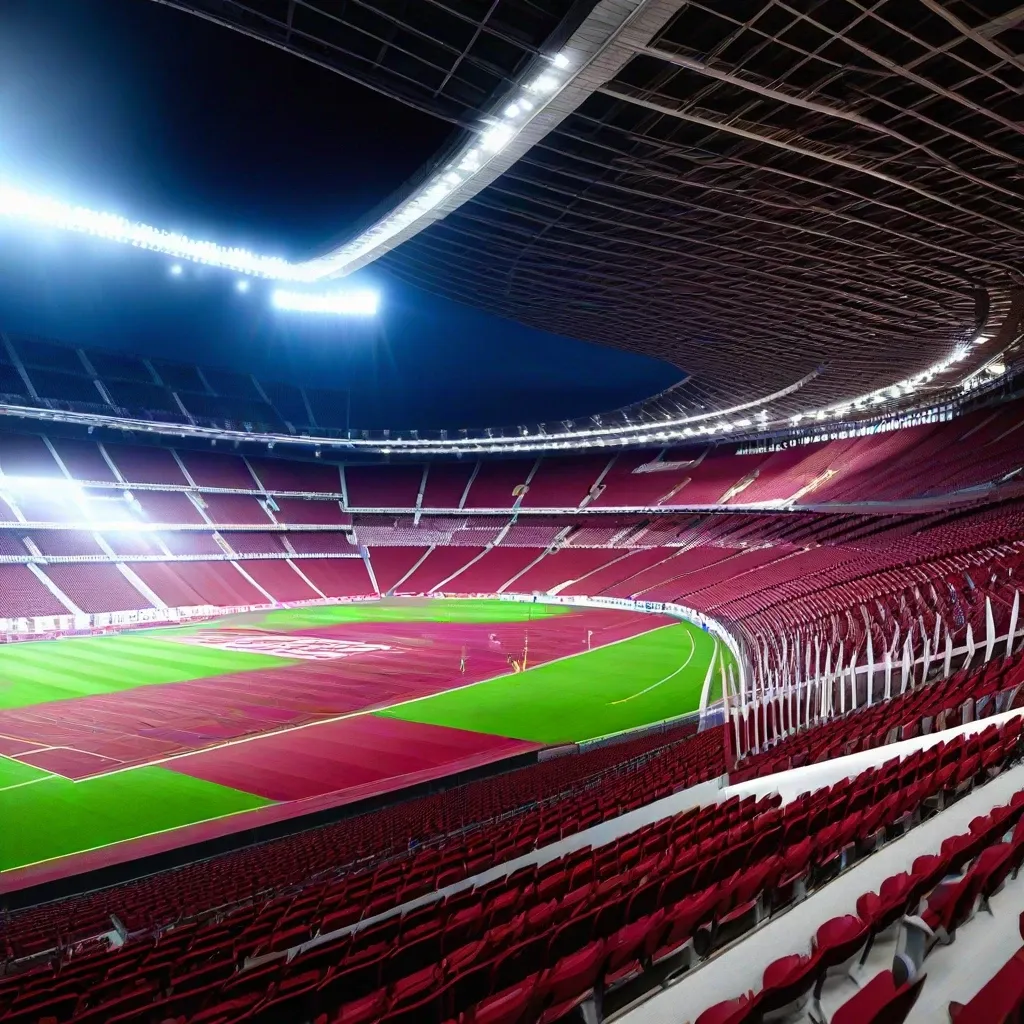
Originally conceived as the Stadio Comunale Vittorio Pozzo, the stadium was built in the 1930s and served as a multi-purpose venue, even hosting events for the 1934 FIFA World Cup. It underwent a significant stadium conversion in preparation for Turin’s 2006 Winter Olympics, with a vision to modernize it for both athletic and footballing purposes. After the Olympics, a crucial football adaptation was implemented. The most notable change was the removal of the running track, bringing fans closer to the action and intensifying the atmosphere.
The pitch design was carefully considered to provide an optimal playing surface for professional football. The stadium became the primary home of Torino FC, and for a period, it also hosted Juventus, creating a unique stadium sharing situation. While initially designed with athletics in mind, the post-Olympic renovations successfully optimized the venue for football. The steeper stands and the closeness of the fans provides the players and fans an amazing experience, establishing it as a true footballing ground. The stadium is celebrated for its role in Torino’s history and its suitability for the sport.
Granata Grit: The Stadium’s Impact on Torino FC
The Stadio Olimpico Grande Torino, while not the historical home ground, significantly shapes Torino FC’s modern identity. The question remains: does it provide a true home advantage? While concrete statistical data is limited, anecdotal evidence suggests the stadium atmosphere impacts player performance. A roaring crowd fuels the team, while a quiet stadium can deflate morale. This psychological edge, however subtle, is crucial in close matches.
The stadium contributes to the club’s present identity, a blend of honoring the past and forging a new future. Though not the Filadelfia, the spiritual home of the legendary ‘Grande Torino,’ the Stadio Olimpico serves as a tangible link to that glorious, albeit tragic, era. The echoes of that team’s indomitable spirit resonate within its walls, inspiring current players and connecting them to the club’s rich heritage. The hope of a return to Filadelfia is ever present, the Stadio Olimpico currently is a temporary, vital connection to the glory days.
A City’s Heartbeat: Stadio Olimpico and Turin
The Stadio Olimpico isn’t just a sports venue; it’s woven into the very fabric of Turin’s identity, acting as a powerful economic and cultural engine for the city. On match days, the roar of the crowd extends far beyond the stadium walls, energizing local businesses. Restaurants and bars surrounding the stadium experience a surge in patrons, while hotels see increased occupancy, all thanks to the influx of fans. This ripple effect creates jobs and bolsters the Turin economy.
Beyond the immediate financial benefits, the Stadio Olimpico serves as a major tourist draw, attracting sports enthusiasts from across the globe. These visitors contribute significantly to Turin’s tourism sector, exploring other city landmarks and cultural attractions, further boosting the local economy. The stadium itself has become a modern city landmark and locals take great pride in the stadium: a structure, which also hosts cultural events and concerts, solidifying its role as a vital community hub. Stadio Olimpico isn’t only steel and concrete, it is the backdrop for unforgettable moments, city-wide celebrations and a symbol of Turin’s enduring spirit.

Looking Ahead: Future Plans and Prospects
The future of the stadium is a topic of ongoing discussion, with modernization and enhanced fan experiences at the forefront. Like Turin, the stadium faces the challenge of attracting fans in person versus the comfort of watching from home.
Stadium renovation plans are being considered to upgrade facilities and enhance the overall atmosphere. Potential changes in ownership or management structures could also be on the horizon, with different models being explored to ensure the stadium’s long-term sustainability. A public-private partnership might be a viable option to fund these future developments, allowing for shared investment and expertise.
These modernization efforts aim to elevate the fan experience by incorporating new technologies, upgraded seating, and improved amenities. Ultimately, these changes are envisioned to positively impact the club’s future, fostering a stronger connection with its supporters and securing its position as a premier sporting venue. Future plans will likely focus on improving how to get more fans to the stadium.
Your Visit to the Olimpico: Tips and Guidance
Planning a trip to the Stadio Olimpico can be an exhilarating experience. To ensure a smooth and unforgettable visit, it’s wise to arm yourself with essential information. Here’s your guide to navigating the stadium, from securing stadium tickets to understanding local fan etiquette.
Getting to the Stadium
Reaching the Stadio Olimpico requires some planning, especially on match days. Public transportation, particularly the metro, is a reliable option, though expect crowds. Taxis and ride-sharing services like Uber are readily available, but be prepared for surge pricing and traffic congestion around game time. Aim to arrive well in advance to avoid the peak traffic.
Where to Sit
Your seating choice profoundly impacts your viewing experience. Lower-tier seats offer an immersive atmosphere, while higher sections provide panoramic views of the pitch. Ticket prices vary accordingly. Consider what kind of experience you’re seeking. The atmosphere is different in any location and the experience is impacted by the chosen location.
Conclusion: Honoring the Past, Embracing the Future
The Stadio Olimpico Grande Torino stands as more than just a sports venue; it’s a living testament to Turin’s vibrant sporting heritage. Its walls echo with the cheers and tears of generations, forever intertwined with the city’s identity. The stadium legacy is inseparable from the Granata spirit, fueling the unwavering fan passion that defines Torino FC. From triumphs to tribulations, the stadium has served as a constant in the ever-evolving narrative of the club and its supporters.
Looking ahead, the future prospects of the Stadio Olimpico Grande Torino remain bright. It will undoubtedly continue to be a focal point for sporting events and cultural gatherings, solidifying its place in Turin’s cultural fabric. It is a place where memories are made, traditions are upheld, and the Granata spirit lives on. For anyone seeking to understand the heart and soul of Turin, a visit to the Stadio Olimpico Grande Torino is a must. Experience firsthand the unique atmosphere and pay homage to a true icon of Italian sports.