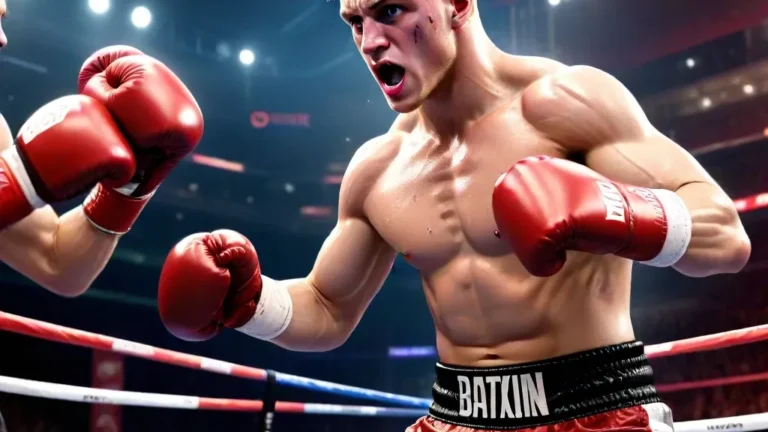
Jake Paul. The name alone ignites passionate debate within the boxing world. A social media sensation turned pugilist, Paul has disrupted the traditional landscape, drawing in massive audiences while simultaneously drawing the ire of many purists. Love him or hate him, his impact is undeniable. But is this impact a net positive or a damaging gimmick? That’s the million-dollar question.
The rise of celebrity boxing, spearheaded by figures like Jake Paul, presents a fascinating case study. On one hand, it introduces the sport to a new demographic, injecting fresh energy and revenue. On the other, it risks diluting the significance of the sweet science, potentially overshadowing dedicated athletes who have dedicated their lives to the craft. With over 15 years immersed in the world of professional boxing, from training amateur fighters to analyzing championship bouts, I’ve witnessed firsthand the evolution of this sport. This article aims to dissect the Jake Paul phenomenon, offering an expert analysis of its implications for the future of boxing. It’s time to move beyond the hype and examine the substance, separating the spectacle from the genuine impact.
The Jake Paul Effect: More Than Just Boxing
Jake Paul’s impact on the boxing world extends far beyond his actual boxing prowess. His success story is rooted in marketing brilliance, the strategic use of celebrity influence, and a knack for captivating audience engagement. While traditional boxing emphasizes skill and technique, Jake Paul has carved a niche for himself by mastering the art of self-promotion and understanding the entertainment value that drives modern audiences especially on social media.
One of Jake Paul’s key strategies involves calling out famous fighters, regardless of their weight class or experience. This tactic generates headlines and stirs controversy, drawing attention to his fights. His engaging content across social media platforms, including behind-the-scenes glimpses into his training and personal life, further strengthens his connection with fans. This content keeps his name in the spotlight and his brand, “Problem Child” alive.
The Power of Personality and Promotion
Jake Paul’s undeniable personality helps him create massive buzz and sustain public interest, irrespective of opinions on his boxing technique. His mastery of social media marketing, coupled with effective boxing promotion strategies, allow him to reach a broad audience far beyond traditional boxing fans. Jake Paul uses the art of the heel to get fans to root against him, which ultimately causes them to engage with his content. This is an effective promotional strategy that cannot be denied.
The Appeal of Celebrity Crossover
Celebrity crossover events in boxing significantly amplify the entertainment value, drawing in viewers who might not typically follow the sport. This approach broadens the audience base, introducing new fans to boxing and creating potential for long-term fan engagement and growth for the boxing business as a whole. These events appeal to non traditional fans who find an entry point to the sport because they know the celebrity.

Analyzing the Skill Gap: How Does Jake Paul Stack Up?
Jake Paul’s entry into professional boxing has been met with mixed reactions, largely centered on whether his skills match the hype. An objective assessment reveals a fighter with undeniable power and developing technique, but one who still lags behind seasoned professionals. While Paul demonstrates a decent right hand and improving footwork, his overall boxing IQ and defensive capabilities are areas ripe for improvement. He exhibits raw strength and a willingness to engage, attributes that have contributed to his victories. However, these strengths are often overshadowed by technical deficiencies that a more experienced opponent could exploit.
Technical Strengths and Weaknesses
Paul’s technical strengths are evident in his powerful overhand right and his ability to close distance aggressively. However, his jab is inconsistent, and his defense tends to be reactive rather than proactive. His footwork, while improved, can still be clumsy, leaving him vulnerable to counterattacks. A key area for development is head movement and development of a more consistent jab to control the pace of fights. Improved defensive techniques would significantly reduce his exposure to punishment.
Comparing Paul to Trained Boxers
When compared to boxers who have dedicated their lives to the sport, the differences in skill and experience are noticeable. Trained boxers possess a deeper understanding of ring generalship, refined reflexes, and a broader arsenal of offensive and defensive techniques. While Paul has made commendable progress in a relatively short time, the gap in experience – years of sparring, diverse opponents, and rigorous training – remains a significant hurdle.

The Business of Spectacle: Money, Eyeballs, and Boxing’s Future
Revenue Streams and Distribution
Celebrity boxing events generate substantial revenue through various channels, including pay-per-view (PPV) sales, sponsorships, and ticket sales. PPV is a major income source, as fans pay a premium to watch these spectacles from home. Sponsorships from brands eager to align with the event’s buzz contribute significantly. As can ticket sales, particularly for events held in large arenas or stadiums. However, the revenue distribution in celebrity fights often differs from traditional boxing. Celebrities often command a larger share of the earnings. Sometimes leaving less for other fighters on the card and impacting the financial ecosystem of traditional boxing.
Viewership Statistics and Trends
Celebrity boxing has attracted significant viewership, with events like those featuring Jake Paul drawing substantial audiences. The statistics show a shift in viewing habits, with many new fans tuning in specifically for the entertainment value of celebrity clashes. Viewership trends highlight a growing appetite for novelty and spectacle, even as traditional boxing maintains a hardcore fanbase. Some data shows a massive audience deviation when it comes to who is fighting. The numbers from traditional boxing events don’t lie, there has been a consumption evolution and that has affected the ratings over time.
Conclusion
The saga of Jake Paul in boxing is far from over, and regardless of individual opinions, its impact is undeniable. He has undeniably shaken up the traditional boxing world, and that action has started a conversation about what constitutes a “real” fight and the role of celebrity in sports. Has he definitively proven himself as a top-tier boxer? The jury is still out. But what he has proven is his ability to capture attention, generate revenue, and force the boxing establishment to take notice.
The blurring lines between entertainment and sport are here to stay, and Paul’s involvement has only accelerated this shift. Whether this is viewed as a positive or negative development is subjective. However, what’s inarguable is the knowledge gained from observing this phenomenon. The insights into marketing, audience engagement, and the evolving landscape of professional sports are invaluable. Ultimately, embracing these shifts and adapting to the changing dynamics in boxing, and sports entertainment, is the key. So let’s value this change and receive all its impact.